Search the Cinema Head Cheese Archives!

Showing posts with label The Boys. Show all posts

December 1, 2024

Static Age #28: Neverwhere (1996)

Frame from BBC's Neverwhere (1966)

This Static Age’s spotlight goes to the peculiar British 6-episode miniseries Neverwhere (1996) devised by Neil Gaiman (who also penned the same-titled tie-in novel) with Lenny Henry, and originally aired on BBC 2. It concerns an urban fantasy twist on London, called ‘London Bellow’, in which the protagonist (Gary Bakewell) finds himself trapped into. The series may be lacking a bit on the budget department (resulting in mediocre video photography and occasionally poor design), but the strength of the material is such, that it has become a cultural phenomenon among fans of 1990s U.K. television, spawning a graphic novel and several stage plays.


And now, let’s switch our focus towards some recent series…


Yellowjackets - Season 2

The 2nd season of Yellowjackets (2021 – present) finds the titular 1990s high school team of female soccer players alumni, having to work together in order to cover up murder, but this is a piece of cake compared to the pagan cult conspiracy they are up against. Featuring once again, non-linear editing, as well as stunning performances by all involved, especially Melanie Lynskey, Juliette Lewis, and Christina Ricci, this is a landmark season that perfectly balances between the macabre and the humorous.


Midnight Mass - Season 1

Netflix’s horror mini-series Midnight Mass (2021), created by renowned filmmaker Mike Flanagan is about the problematic isolated community of a secluded island, which has its balances shaken upon the arrival of a new priest. Full of cinematic imagery that includes technically staged one-shots, this is terror television at its best, always effective and atmospheric.


The 2nd season of The Punisher (2017 – 2019) has the titular vigilante (Jon Bernthal) meeting a new love interest in the form of gorgeous barwoman Beth (Alexa Davalos), but it will prove hard to keep his life in track, as a mysterious girl (Giorgia Whigham) is in some serious trouble and Frank will resort to violence in order to protect her, while an enemy from the past is also preparing a comeback. Netflix managed to produce the most edgy and powerful material ever to be based on Marvel material, but it was so violent, bloody, and gritty, that the famous comic book owners were not very satisfied in the least.


The Terror - Season 2

Executive produced by Ridley Scott, the 2nd season of The Terror (2018 – 2025) is set in WWII California, where a community of Japanese migrants is facing racism. Slow, quiet, and with nothing really going on in terms of plot, this lacks any sense of importance to its proceedings and aims to salvage itself with generally good photography and some atmosphere, but fails.


The 4th season of Westworld (2016 – 2022) is set seven years after the demise of Rehoboam, and under its sci-fi wrapping it raises relevant questions about free will and the power of technology, without ever becoming preaching or technophobic. It is a strong genre show, with elegant cinematography and good performances, and an overall exciting series finale.


Frame from Fargo - Season 5

The 5th season of Fargo (2014 – 2024) takes us for one final time deep in Minnesota, where a group of dorky and peculiar trigger-happy characters get involved in a mysterious case of kidnapping and murders, all under the watchful (even if not very much so) eyes of the law and media. It perfectly captures the tone of the original film that inspired the series and delivers 10 well-made and exceptionally entertaining episodes, resulting in outstanding television.


Slasher - Season 5

The 5th season of Shudder’s Slasher (2016 – 2023) is a period piece set in Toronto, where the street’s scumbags as well as the upper class johns are terrorized by a mysterious figure in black that is employing a fancy knife to kill pimps, prostitutes, clients, and their ilk, in what is the series most boring outing. It seems like it was made with an A.I. algorithm programmed to satisfy the wettest dreams of political correctness, as we are introduced to a bizarre cast that includes a Rastafarian detective, a Black female doctor, a lesbian journalist, a transsexual brothel manager, a pimp with a heart of gold, all in the expense of historical accuracy and common sense. Probably nobody will be offended (which seems to be the aim here) but nobody will be entertained either, that’s for sure.


Much more fun and energetic than the couple of previous tired outings, the mere eight episodes of the 4th season of The Boys (2019 – present) has the evil ‘sups trying to maintain their dominance of power abuse and filthy deeds, but it is met with the strong resistance of the opposing side that includes former superheroes that are disgusted by the conquerors corrupted empire. Kinetic and full of stunning gore scenes, this is a splattering adventure that will not fail at entertaining you. It also benefits from a strong cast (that includes Karl Urban and Jeffrey Dean Morgan) and a cool soundtrack (that includes tunes from The Sex Pistols and Nirvana). And after all, where else can you see flying sheep thirsty for blood?


Narcos: Mexico - Season 2

The 2nd season of Narcos: Mexico (2018 – 2021) takes deep into the history of the titular country, with a focus on the influence of the drug cartels, and continues with the story of kingpin Felix (Diego Luna) who upon celebrating his 40th birthday, has to rethink of his allies and enemies. If gangster epics with narcotics float your boat, you can’t do much better than this outing from Netflix.


LGBTQI+ icon Ncuti Gatwa is the new Doctor in the 1st season of the fresh Doctor Who (2023 – present) and Ruby Sunday (Millie Gibson) is his sidekick. Together they get themselves involved with several exciting adventures that include snot monsters and a maestro who wants to leave the world without music. With episodes ranging thematically from folk horror to technophobia, this is a pure winner.


Thank You, Goodnight...

The documentary mini-series Thank You, Goodnight: The Bon Jovi Story (2024) – now available on Hulu – takes on legendary glam rock band Bon Jovi’s tremendous career of rock ‘n’ roll success and excess. But despite their conventional approach, the four episodes manage to go deeper into friendships and relationships as well, resulting in a very interesting end result for dedicated fans of the group’s music and newcomers alike.


The ambitiously-titled Porn King: The Rise & Fall of Ron Jeremy (2022) had me wishfully thinking of a desired in-depth look at the notorious actor’s actual rise to fame, but instead the two-part documentary mini-series is focusing on the titular man’s recent rape and assault trial and even at that it doesn’t offer too much aside from the regular talking heads, the vast majority of which are expectedly from the adult film business, with some of them taking the side of the accused and others the side of the accused. With such an interesting real-life story that is swinging between the world of entertainment and the true crime genre, this can only be viewed as a missed opportunity and plays like an average lengthy newsreel.


The ill-named ‘art-house’ genre or whatever you would like to call this pretentious kind of film is an area I tend to steer clear from as much as possible. But for some bizarre reason, in the last few months I convinced myself to sit through a few of them, and here are my thoughts…


The Grapes of Wrath (1940)

Based on the previous year’s same-titled novel by John Steinbeck, and turned into a screenplay by Nunnally Johnson (who also produced, with Darryl F. Zanuck), director John Ford’s The Grapes of Wrath (1940) is set during the Great Depression and follows a group of Oklahoma farmers that are forced to migrate to California. With a stellar cast that includes Henry Fonda and John Carradine, this is considered one of the greatest social dramas ever made, but even its lavish production (it was distributed by 20th Century Fox) is not enough to save the boring proceedings.


Rome Open City (1945) directed by Roberto Rossellini (who also wrote the screenplay with Sergio Amidei, Federico Fellini, and Alberto Consiglio) is set during WWII occupation of the titular Italian city and focuses on the story of Resistance leader Giorgio Manfredi (Marcelo Pagliero) as he tries to escape the Nazis, without causing the harm of his comrades. It is a very human story and it benefits greatly from the fascinating cast that includes Anna Magnani and Aldo Fabrizi. This is the first installment of the auteur’s ‘neorealist trilogy’ and it won the Palme d’Or at the Cannes Film Festival.


Paisan (1946) poster

Featuring six stories, director Roberto Rossellini’s Paisan (1946) is an anthology film and it is focusing on the interactions between Italian locals (mostly of the South) with soldiers (mostly Americans) during WWII. As it is expected by a film from the neorealist ‘movement’ that was cherished by several International Film Festivals that praised it with supposedly prestigious awards, endless boredom is guaranteed.


The problems young and poor boys are facing in the Allied-occupied Berlin are the concerns of director Roberto Rossellini’s Germany, Year Zero (1948), which rounds up the WWII neorealist trilogy he made in the 1940s and presumably had many political issues to discuss, yet it only managed to engage audiences with endless and torturous boredom.


Summer with Monika (1952)

Based on the same-titled 1951 novel by Per Anders Fogelstrom, Summer with Monika (1952) directed by Ingmar Bergman is about the titular sensual young lady (Harriet Andersson) and her relationship with a boyfriend (Lars Ekborg) that is doomed to fail for a variety of reasons. The film itself didn’t quite fail though as despite being a pretty conventional romance drama, it also contains some revolutionary – for the era – scenes of nudity featuring the female lead that caused a sensation with audiences. It is now regarded as one of art-house cinema’s crown achievements, but in reality it is a pretty boring picture.


Directed by Laszlo Benedek and starring Marlon Brando as the titular outlaw biker, The Wild One (1953) is – simply put – an iconic film that marked a generation. John Paxton’s screenplay (the provocative question ‘What are you rebelling against?’ that received Brando’s well-deserved answer ‘What you’ve got?’ is one of the greatest line exchanges of 1950s cinema) was based on Frank Rooney’s pulp Cyclists’ Raid short story (it was originally published on Harper’s Magazine and became more popular when it was anthologized in The Best American Short Stories 1952), which in turn was based on the true story of the 1947 American Motorcyclist Association rally that briefly became a news sensation due to some brief criminal activity that media couldn’t get enough of. However, contrary to mainstream film critics’ beliefs, the actual fact is that in terms of cinema this wasn’t the film that started it all for the biker exploitation subgenre, as a certain 1966 film by Roger Corman was much more influential.


And God Created...

And God Created Woman
(1956), directed by Roger Vadim (who also penned the screenplay, with Raoul Levy) is set in St. Tropez and is about a young promiscuous woman (the impossibly beautiful Brigitte Bardod, in the sensual role that made her a household name overnight) that is perceived as a ‘wild animal’ that ‘cannot be tamed’ and therefore becomes a threat to local men and the village’s society in general. Very daring for its time in terms of visual content but also very groundbreaking in terms of what it has to say, this is an important piece in the history of provocative films.


Written and directed by Ingmar Bergman, Wild Strawberries (1957) is an existential drama about nothing in particular. It is featuring an aging Victor Sjostrom who is playing a professor that is reflecting on his past and a young Max Von Sydow. It won several awards and it is widely appreciated by the art-house crowd, but the sheer boredom of watching it is undeniable.


The Seventh Seal (1957)

Ingmar Bergman’s historical thriller The Seventh Seal (1957) is set in Sweden (the country of production) during the Black Death era, and it tells the story of a knight (Max Von Sydow) who places a bet on his life with a game of chess against Death himself (Bengt Ekerot). The film is considered a classic, but I almost died of boredom. At some point death is asking the knight if he lost interest, and before he could answer, I was screaming that I did!


Based on a Swedish folk ballad from the 13th century and turned into screenplay format by Ulla Isaksson, director Ingmar Bergman’s The Virgin Spring (1960) is set in medieval times and is focusing on the rape of young girl by a trio of peasants. Endless boredom ensues, but the Academy must have seen something in it as it won its ‘Best Foreign Language Film’ award. In 1972 a certain Wes Craven remade it in the form of a New York roughie, which accidentally turned into a horror movie and became a ‘rape and revenge’ phenomenon; you’re better off seeing that film.


Accattone (1961) poster

Written and directed by Pier Paolo Pasolini, Accattone (1961) is about the titular pimp (a perfectly cast Franco Citti) who is pimping poor girls in the outskirts of Rome. Despite some very interesting skid row locations and the strong subject matter, the execution is flat and boring.


Written by Vladimir Nabokov (and based upon his own same-titled hit novel from 1955 – the adaptation nominated him for an Academy Award), director Stanley Kubrick’s seminal classic Lolita (1962) is about the titular young lady (Sue Lyon – who was only 14 when this was filmed) who has a middle-aged professor (Peter Sellers) falling in love with her. Touching the overtly taboo subjects of child sexual seduction, grooming, and abuse, but presented in dark comedy manner, this is a daring film and it wouldn’t fly today in any form.


Band of Outsiders (1964) poster

Based on a novel by Dolores Hitchens, writer/director Jean Luc Godard’s Band of Outsiders (1964) is homage to old Hollywood pictures (it is dedicated to Monogram) and pulp books (several references can be spotted throughout the film’s entire running time). It tells the story small-time crooks Franz (Sami Frey) and Arthur (Claude Brasseur) that persuade a young student (the breathtakingly charming and otherworldly stylish Anna Karina) to perform a robbery. Godard found his perfect muse in the face of Karina, and the French New Wave circle found its most meaningful and enjoyable film – the notorious dance sequence is worthy of the admission price alone, and is deservingly recognized as one of cinema’s most important moments.


The fear of a potential Cold War with the nuclear threat between the Soviet Union and the United States of America is satirized in director Stanley Kubrick’s dark comedy Dr. Strangelove or: How I Learned to Stop Worrying and Love the Bomb (1966) which is featuring Pete Sellers in three roles – all of them from different political standpoints and parties. It was nominated for four Academy Awards and it is still quite funny, despite its settings that may alienate younger audiences that are not familiar with the then-current political agenda, because the madness behind situations such as these are unfortunately timeless.


Cul-de-sac (1966) poster

Two wounded gangsters find solace in a secluded house run by a peculiar couple in Roman Polanski’s first English-speaking film, the crime comedy Cul-de-sac (1966), which has a great cast that includes Donald Pleasence and Jacqueline Bisset, but not much else for my exquisite taste.


Possibly the only film that Ingmar Bergman directed and I find remotely interesting, Persona (1966) is about a young nurse (Bibi Andersson) that takes care of a famous actress (Liv Ullmann) who was recently muted after a suspected psychotic episode. Avant-garde in its aesthetical approach but verging on the horror film tonally and thematically, this deep film explores themes of insanity and duality, but most importantly it raises questions about what is a person (hence the title) and what is identity. Carl Jung’s psychoanalytic theories were quite popular at the time, and this thoughtful work fits just right to the subject discussed.


Blow-Up (1966) poster

Set amidst the mod subculture explosion of the Swinging Sixties London, and based upon a short story by Julio Cortazar from 1959, director Michelangelo Antonioni’s landmark classic Blow-Up (1966) is about a fashion photographer (David Hemmings) who believes he has caught a murder with his camera. Featuring stunning ladies (including Vanessa Redgrave) and a bombastic soundtrack (that includes a track from The Yardbirds) this is aesthetically stunning (even if it doesn’t have much to say, thematically at least) and won the Cannes International Film Festival’s prestigious Palme d’Or.


In The Fearless Vampire Killers (1967), a vampire hunter (Jack MacGowran) and his assistant (Roman Polanski, who also directed – and wrote the screenplay, with Gerard Brach) travel to a secluded mountain village in order to discover vampirism, but what they find instead is lame humor and the filmmaker’s late wife Sharon Tate. Well-made but absolutely dated, this horror comedy is unable to generate laughs or even a barely good time for its audience.


If... (1968) poster

Lindsay Anderson’s If… (1968) starring Malcolm McDowell as the leader of a revolutionary group that takes direction within the grounds of an oppressive college is a remarkable satirical political drama that came at the right time in History, just around when the uprising of May ’68 was taking place in France. But by so perfectly depicting the misery of the English schooling system, the result is a miserable film as well. However, the finale is brilliant and rewarding.


Robin Shea (a stunning Rebecca De Mornay, long before she became a household name) is trying to figure a clever way out of prison (as escaping plans didn’t go very well) and is manipulative enough to acquire the aid of a staff member (Vincent Spano) and a local politician (Frank Langella) in Roger Vadim’s And God Created Woman (1988) – which is a remake of the film tackled above in name only – a remarkably meaningless affair that ended up being the final theatrical outing of the auteur, but looks as conventional as the TV works that ensued.


Lolita (1997) poster

With Jeremy Irons taking the role of Professor Humbert who is sexually attracted to teenage girls and Dominique Swain taking the titular role in Lolita (1997) – the second adaptation of Vladimir Nabokov’s notorious book – along with an excellent supporting cast that includes Melanie Griffith and Frank Langella, this opus directed by Adrian Lyne is far more dark and provocative than Kubrick’s classic, but it somewhat feels flat and overall average. Ennio Morricone did the soundtrack, but it doesn’t rank among his most memorable works.


And it is here that we wrap this peculiar entry of Static Age (which turned out to be the lengthiest yet), with a final note that bizarrely for my taste I also enriched my bookshelves with the following fiction additions: Stephen King’s Christine (1983), David Grann’s The Wager: A Tale of Shipwreck, Mutiny, and Murder (2023), and three classics by Neil Gaiman [Good Omens (1990), Neverwhere (1996), and The Graveyard Book (2008)].


Get books, comics, graphic novels and more at bunny17media.com. Use the code CHC at checkout for 15% off your purchase!

Follow Cinema Head Cheese:
Website: cinemaheadcheese.com
Facebook: /cinemaheadcheese
Twitter: @CinHeadCheese
Email: cinemaheadcheese@yahoo.com
Instagram: abnormalpodcast 
Pinterest: /abnormalpodcast/cinema-head-cheese/
RSS Feed: http://feeds.feedburner.com/CinemaHeadCheese
iTunes: https://itunes.apple.com/us/podcast/cinema-head-cheese-movie-reviews-news-a-podcast-and-more/id393261942?mt=2
Stitcher: http://www.stitcher.com/s?fid=18843&refid=stpr

You can support Cinema Head Cheese and Abnormal Entertainment on our Support Us page.

September 1, 2022

Static Age #22: Legends of the Superheroes (1979)

Promotional frame from Legends of the Superheroes (1979)


This Static Age’s spotlight goes to Legends of the Superheroes (1979), a two-episode television special (each episode runs for a full hour) made by Hanna-Barbera Productions and aired on NBC. Loosely based on the Super Friends animated series (that I may cover one day via this column) and featuring several DC superheroes and super-villains, most notably the ones from the 1960s Batman kitsch-fest. By employing a standard TV show approach (complete with a laugh track and stand-up comedy antics that range from sexist to racist – I mean, ‘Ghetto-Man’, seriously?), the first studio-confined episode (‘The Challenge’) is unbearable, but the second one (‘The Roast’) is featuring several vignettes that makes it a bit more sustainable.


And now, let’s switch our focus towards some recent series…


Stanger Things - Season 4

Netflix’s crown jewel series Stranger Things (2016 – present) returned with its 4th and most epic season offered in two volumes (the first becoming available in May and the other in July 2022) totaling 9 feature-length episodes (the finale alone is almost two and a half hours long) that reveal an increase in budget and inspiration. The Duffer brothers have done it again, offering a solid story that takes us back to our favorite 1980s amidst a chaos of alien threats and banal fashions. This is landmark television, master storytelling, killer pop aesthetics, and it should not be missed by fans of the genre.


Daredevil - Season 3

It used to be the case that if you were dark you’d most likely be in the DC Universe, but Netflix changed things and the 3rd season of Marvel’s Daredevil (2015 – 2018) is violent and bloody, as we find the titular superhero (Charlie Cox) in a new round of battles against Wilson Fisk (Vincent D’Onofrio); it’s a pity though that the end result is boring as well, and after you’ve finished with its 13 episodes you feel like it’s for better that we didn’t get more. The angle with the Albanian mob and the arc with Daredevil as a wanted man from the FBI are both interesting, but not enough to save the day.


Executive produced by Jason Blum for his own Blumhouse Television and made available on Hulu, the 1st season of Into the Dark (2018 – 2021) consists of 12 feature-length holiday-themed episodes, most of them so well-done that could have easily played theaters. ‘The Body’ is about a hit-man (Tom Bateman) who after offing somebody gets mixed-up in some circumstances that have him lose the dead body to some Halloween partying teenagers (each one of them more annoying than the other) and now has to retrieve it on time and deliver it to his unseen boss (they only talk on the phone), a task that will also require the help of data analyst Maggie (the gorgeous Rebecca Rittenhouse). ‘Flesh & Blood’ is about agoraphobic teenager Kimberly (Diana Silvers) who is mourning the recent death of her mother, but her dad (Dermot Mulroney) may be hiding a terrible secret or two. ‘Pooka!’ is about a struggling actor (Nyasha Hatendi) who strikes gold when he signs up to play the titular toy character in a television commercial and his life changes completely, but is it for the better or for worse? ‘New Year, New You’ is about healthy lifestyle influencer Danielle Williams (Carly Chaikin) who gets invited at a house party set up by her old friends from school, but unbeknownst to her the setting is a trap and all they want from her is to confess to the bullying she had initiated that resulted in the suicide of a young girl several years ago. ‘Down’ is about two people (Natalie Martinez and Matt Lauria) stuck in an elevator, but there’s more to the situation than what meets the eye. ‘Treehouse’ is about a TV chef (Jimmi Simpson) who is about to get punished for his sinister past. ‘I’m Just F*cking with you’ is about a resentful internet troll (Larry Adams) who spends a night in Bates-like motel where the jokester clerk (Hayes MacArthur) may be a bit too dangerous. In ‘All that We Destroy’, a geneticist Victoria Harris (Samantha Mathis) creates several clones to satisfy the violent urges of her son (Israel Broussard). A family mourns the passing of the mother in ‘They Come Knocking’, until things get a paranormal twist. ‘Culture Shock’ tells the story of a group of people crossing the Mexico/U.S. border in order to find the American dream, but all they find is nightmares. A group of students in detention are about to face nightmares of both the real and supernatural kind in ‘School Spirit’. A dodgy purity camp featuring a creepy pastor is the setting of ‘Pure’, but religious fundamentalists may get what they deserve in this one.


Castle Rock - Season 2

Based on characters and settings created by Stephen King and executive produced by J.J. Abrams, the 2nd season of Hulu’s Castle Rock (2018 – 2019) is about a nurse (the gorgeous Lizzy Caplan) who is struggling with her own personal mental demons, but things will get worse once she moves into the titular location where she’ll find herself amidst a beef between local businessmen and Somali migrants. Featuring a near-perfect performance by the legendary Tim Robbins, this may not be a small screen masterpiece, but it is quite enjoyable. Its main weakness are the several flashbacks that have become mandatory these days, but drag the proceedings.


Peaky Blinders - Season 6

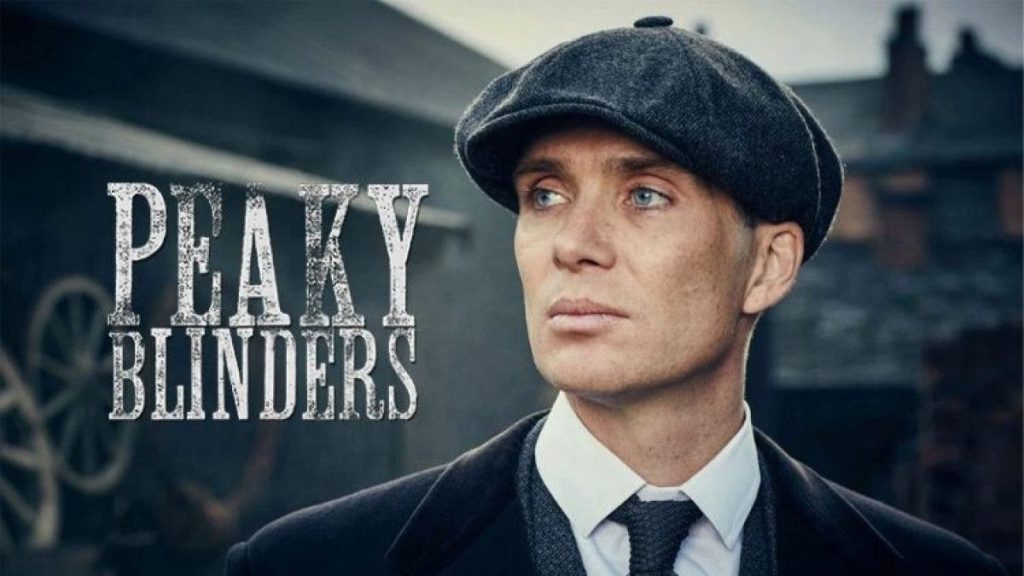
The 6th season of Peaky Blinders (2013 – 2022) has ruthless gangster Thomas Shelby (Cilian Murphy) getting involved with more gum than he can chew (his limitations are often a matter of discussion among some of the main characters), eventually involved with politics and bigger businesses, essentially suffering from delusions of grandness. He will also get to question his faith and superstitions, as well as lose more things that he loves and possibly more than he can stand. A dark hero’s journey in six episodes, this is less of a gangster epic and more of a western-like grotesque poem that although not really entertaining, always a thrill to watch.


The Boys - Season 3

The 3rd season of Amazon Prime’s The Boys (2019 – present) starts with the sups returning to their old evil ways (complete with fame and corporate shame) and it is now up to the real good guys to get things back in order. Troma-style humor that includes exploding body members and a guy getting inside another person’s anus, this is a big-budget excess of grossness and toilet humor.


The 13th season of Doctor Who (2005 – present) is the last one featuring Jodie Whittaker in the titular role and she goes out with a bang, as the mere 6 arc episodes are amongst the best we’ve seen so far from the series. Facing the threat of an evil force that may end the universe, the Doctor along with her remaining sidekick (Mandip Gill) need to save the world once again, while the production finds the space to throw in all of our favorite villains from past seasons.


The Deuce - Season 3

Set in 1985, HBO’s 3rd (and final) season of The Deuce (2017 – 2019) is about the decline of New York’s 42nd Street smut-peddling, drug-pushing, and trick-turning empire, detailing how the dirt was defeated by the AIDS epidemic, the transformation of the porn industry from chic films to plot-less scenes shot on videocassette, as well as the invasion of capitalism and real estate that resulted in the gentrification of the world’s greatest sewer. This is great television and my favorite series in the history of the medium, so it is a pity that it didn’t last for longer, pretty much like the story and the characters it depicts.


And now, please allow me a word on some recent mainstream releases…


Spider-Man: No Way Home

Marvel’s Spider-Man: No Way Home (2021) directed by Jon Watts, has the titular superhero (Tom Holland) accidentally revealing his identity and sees the world turning against him, thinking of him as a vigilante and a threat. Spider-Man asks for the help of Doctor Strange (Benedict Cumberbatch), but when he doesn’t play by the magician’s and the universe’s rules, things get even worse. An array of super-villains including the Green Goblin (William Dafoe) and Otto Octavius (Alfred Molina) target the web-slinger, but the biggest enemy he has is himself. Made on a massive $200 million budget, this is as big and epic as these things get, and it went on to gross a stunning $1.8 billion, making it one of the most successful films in cinema history, and what’s more the critics and the fans alike loved it; deservedly so if I may add.


DC’s The Batman (2022) directed by Matt Reeves, is not an origin story per se, but we get to learn a lot about the titular superhero (the excellently cast Robert Pattison), as it is to be expected by a reboot of sorts. The main thing however is that gangsters like The Penguin (Colin Farell) and nut-jobs like The Riddler (an outstanding performance by Paul Dano) have brought chaos to Gotham city, and since the police is corrupt and controlled by the underworld, the Batman vigilante will have to take the law into his own hands, albeit with a little bit of help from the Catwoman (Zoe Kravitz). Noir-ish in its approach, and epic in its scope (and clocking at almost 3 hours long), this is an unforgettable masterpiece that will forever be cherished as one of the best superhero films ever made.


Morbius (2022) poster

Marvel’s Morbius (2022) directed by Daniel Espinosa, tells the tale of the titular vampire superhero (Jared Leto) and its struggle against his mean brother (Matt Smith) who is also a vampire. Putting a lot of effort into presenting its protagonist as the new poster boy for gothic fandom, this is a mediocre film that relies too much on its CGI that are not that well-done anyway.


Old-timer maverick director Sam Raimi, responsible for iconic horror aesthetics as well as some of superhero cinema’s greatest innovations, brings fresh air to the tired Marvel formula in Doctor Strange in the Multiverse of Madness (2022), in which the titular sorcerer supreme (returning Benedict Cumberbatch) changes universes with the frequency most people change their underwear, only to find out – once again – that his (as well as the world’s) greatest enemy is himself. Looking like exactly what it is – a canon Marvel movie directed by Sam Raimi – this brings the best of both worlds on the table and succeeds on almost every level, going as far as even scaring little kids a little bit.


Jurassic World Dominion

Colin Trevorrow’s Jurassic World Dominion (2022) takes the iconic 1990s franchise’s story forward (some of the original cast returns) and in a world where dinosaurs now live peacefully – and sometimes not so peacefully – amongst us and the rest of this planet’s animals, until the central evil science corporation sets up a locust pandemic that is threatening to extinguish all life. Clocking at a massive – and at times tiring – 2 hours and a half, as is the norm for most blockbusters nowadays that unleash as many character arcs as possible and then fails to tie them together, this is spectacular as expected (even the CGI are surprisingly stunning for this sort of thing) and biology students will have a field day with.


BJ McDonnell’s Studio 666 (2022) is about the struggle of stadium rockers Foo Fighters to find inspiration for their tenth album, until they acquire a haunted villa, resulting in the demonic possession of their lead singer (Dave Grohl, playing himself) that assists him in discovering a new musical note and writing an epic song. For a horror-comedy – a very difficult genre to find balance in – this is not very funny, nor very scary, and it even drags at times as its pacing is not its strongest asset; however, its heart is in the right place, the attempt seems sincere, and the gore effects are gruesomely entertaining, so it is not without its merits. Featuring cameos from John Carpenter (who also co-wrote the score) and Kerry King (from Slayer).


Netflix’s feature-length true crime documentary Girl in the Picture (2022) directed by Skye Borgman, is looking at the mystery behind a – you guessed it – girl in a picture that was taken with the man that pretended to be her father, ended up marrying her, pimping her to a strip club, and eventually killing her. But who was she, and what was her real name? For such a rich and captivating story, the documentary is not as strong as it could be, but it is still a more than a worthy addition to the annals of the genre.


Minions: The Rise of Gru

Illumination Entertainment’s Minions: The Rise of Gru (2022) are about the rise of the titular villain (voiced by Steve Carell) with the help of the beloved minions, and for such a late addition to the franchise it is surprisingly strong and funny. Featuring voice acting by Julie Andrews, Michelle Yeoh, Jean-Claude Van Damme, Dolph Lundgren, Danny Trejo, Lucy Lawless, and Steve Coogan among others, hyper-realistic and stunning animation, as well as a bombastic soundtrack (featuring artists such as Ted Nugent and The Rolling Stones), this is a thoroughly good time.


And finally, this time around I enriched my bookshelf with the following additions…


Not as thorough or definite as it could have been (I can think of several films that could be included and were not, and a few franchises had some films tackled and others not) David J. Moore’s massive 560-pages-long coffee-table hardcover edition of The Good, the Tough & the Deadly: Action Movies & Stars, 1960s-Present (2016, Schiffer) is still a work to behold, written with a lot of passion and affection for the genre. This being a guide book, most of its hundreds of reviews consist of a total of two paragraphs (usually a synopsis and a few comments), but where the book really shines is with its numerous interviews of action stars that are informative and entertaining.


Katherine Coldiron’s Midnight Movie Monographs: Plan 9 from Outer Space (1959) (2021, PS Publishing) at a mere 97 pages long is a tiny but highly intelligent tackling on Edward D Wood Jr.’s infamous atrocious cinema classic that manages to become what amounts to the most accurate thesis I have ever read on why we watch bad movies. Highly recommended both for fans of the director as well as anyone that is even mildly interested in theorizing about film.


Alan Jones’ Frightfest Guide 5: Grindhouse Movies (2021, FAB Press) is actually the author’s second volume – within the same book series – to tackle the same subject (the first volume was labeled ‘exploitation’), although this is a much more interesting outing both for widely relying on notes he wrote upon the first viewing of the films and for focusing on largely more obscure titles. Short and sweet, this is informative, entertaining, and well-illustrated in glowing color.


Tim Lucas’ The Man with Kaleidoscope Eyes (2022, Electric Dreamhouse, PS Publishing) is the novelization of the same-titled unproduced screenplay that the renowned film critic co-authored (heralded as one of the greatest movies never made) and it takes a deep but entertaining dive into the making of The Trip, one of Roger Corman’s finest pictures and a 1960s milestone. Based on interviews the author had conducted over the years with several key people involved, this is truer than fiction, but most importantly it is masterful storytelling and a very special treat for us, Corman super-fans.


Get books, comics, graphic novels and more at bunny17media.com. Use the code CHC at checkout for 15% off your purchase!

Follow Cinema Head Cheese:
Website: cinemaheadcheese.com
Facebook: /cinemaheadcheese
Twitter: @CinHeadCheese
Email: cinemaheadcheese@yahoo.com
Instagram: abnormalpodcast 
Pinterest: /abnormalpodcast/cinema-head-cheese/
RSS Feed: http://feeds.feedburner.com/CinemaHeadCheese
iTunes: https://itunes.apple.com/us/podcast/cinema-head-cheese-movie-reviews-news-a-podcast-and-more/id393261942?mt=2
Stitcher: http://www.stitcher.com/s?fid=18843&refid=stpr

You can support Cinema Head Cheese and Abnormal Entertainment on our Support Us page.

February 1, 2021

Static Age #14: Twin Peaks (1990 – 1991)


This Static Age’s spotlight goes to Twin Peaks (1990 – 1991), the series created by Mark Frost and David Lynch that lasted two seasons. The first season consists of 8 episodes and the second of 22, and they concern the mysterious murder of a teenage girl in Small-town, U.S.A. and the attempts of the local police to solve the case amidst a backdrop that is so weird that makes everything more complicated. There are enough moments of cinematic brilliance here, as well as a tone of wonderful dread, to justify the many people that are obsessed with this show. Also starring David Duchovny (in drag), Don Davis, Billy Zane, the great Russ Tamblyn, and David Lynch himself.


And now, let’s switch our focus towards some recent series…

The Boys - Season 2 poster art


The 2nd season of The Boys (2019 – present), created by Eric Kripke, is offering more action and gross comedy for the fans (or even haters) of superheroes. The series continue from where they had left us, with Billy Butcher (Karl Urban) missing and his team now essentially a bunch of fugitives, and with the other camp regaining power despite having lost a member of its team. The end result is edgy and the kind of television in which you see heads exploding and hands amputated; once upon a time we had to rely to the films of Lucio Fulci and David Cronenberg for such imagery but now it is part of the prime time mainstream. Thematically the series are a satire of not just the republicans and the Trump administration, but also so much more in general and hypocrisy in particular. Actually, this is so meta that the ‘terrorists’ are (kind of) the good guys and the ‘superheroes’ are (absolutely) the bad guys. Highly recommended intelligent fun (not for the whole family though).


The 1st season of American Crime Story (2016 – present) is about the famous case of the double homicide attributed to O.J. Simpson (Cuba Gooding Jr.), and it is a perfect 10-episode journey to this fascinating true crime story. Featuring excellent and show-stealing performances from John Travolta as Robert Shapiro and David Schwimmer as Robert Kardashian, these series are a modern masterpiece. Absolutely the best courtroom drama since a certain Al Pacino classic.


The Alienist - Season 1 promotional art
Set in 19th century New York, the 1st season of The Alienist (2018 – 2020) is about a series of gruesome murders of underage transvestite prostitute boys, and the grouping of alienist (or what one would call a criminal psychologist today) Dr. Laszio Kreizier (Daniel Bruhl) and crime scene illustrator John Moore (Luke Evans), who will try to crack the bizarre case. Also starring Dakota Fanning in the mandatory feminist role and Michael Ironside, the series combines top-notch set and costume design with all-out horrors, and as such it is a winner. It is amazing to think that only three or four decades ago you could get to see such dark subject matter tackled only in edge exploitation films that were difficult to find whereas now it is readily available for streaming on Netflix.


Chilling Adventures of Sabrina - Season 4

I am very glad that the 4th season of Chilling Adventures of Sabrina (2018 – 2020) is also the last because by this stage the series have lost its steam. The titular witch (the always gorgeous Kiernan Shipka) will once again have to face Lovecraft’s Eldrich and teenage angst on her journey towards empowerment and self-awareness before the tired Netflix show concludes. The soundtrack is great and it includes Queen’s ‘Radio Ga Ga’, Billy Idol’s ‘Dancing with Myself’, Bonnie Tyler’s ‘Total Eclipse of the Heart’, Guns N’ Roses’ ‘Sweet Child ‘O Mine’, and a little bit of ‘Down with the Sickness’ by the Disturbed; most of them may be covers from the on-screen band the Fright Club, they are still awesome.


Doctor Who - Season 7 art
The 7th season of Doctor Who (2005 – present) is offering further adventures of the titular alien (returning Matt Smith) and his friendly couple Amy Pond (Karen Gillan) and Rory Williams (Arthur Darvill). In ‘Asylum of the Daleks’, the titular trashcan-like foes return and kidnap the heroic trio, while we are also introduced to the absolutely gorgeous Oswin (Jenna Coleman). ‘Dinosaurs on a Spaceship’ is featuring – well! – dinosaurs on a spaceship, as well as robots. ‘A Town Called Mercy’ is an homage to Westworld (1973). ‘The Power of Three’ is about mysterious black cubes that invade earth and become part of humanity’s everyday life. ‘The Angels Take Manhattan’ is another creepy episode featuring its titular entities. ‘The Snowmen’ is the episode in which Clara’s part (Jenna Coleman) becomes more prominent and a perfect sidekick for the good Doctor. ‘The Rings of Akhaten’ takes us to the titular planet where a weird religious ceremony is about to unfold, which is the case here on Earth as well, I would like to add. ‘Cold War’ is set during the – you guessed it! – Cold War, and finds the Doctor and Clara on a Russian submarine where a Martian warrior monster is also abroad. In ‘Hide’, Clara and the Doctor meet a very similar couple to them, albeit one that is searching ghosts, this time in a haunted mansion. ‘Journey to the Centre of the TARDIS’ has Clara lost inside the iconic spaceship, where she is confused by the Doctor’s past. ‘The Crimson Horror’ employs visuals that look like 16mm film (and could well not be for all I know and the illusion be the work of post-production) in order to take us back in time, but the coverage shots don’t not match the era, a very common mistake among modern filmmakers. ‘The Name of the Doctor’ includes the answers to the mystery behind Clara’s own nature.


Also, please allow me to speak a word or two about some recent mainstream films…


Wonder Woman 1984 (2020)
Director Patty Jenkins’ Wonder Woman 1984 (2020) is set in – you guessed it – the 1980s and focused on Donald Trump-like businessman and con artist Maxwell Lord (Pedro Pascal) who takes the powers of an ancient wishing stone. By granting wishes left, right, and center, not to mention his own greedy capitalist ones for professional success, he of course creates chaos and misery. The titular superhero (played again by the talentless Gal Gadot) steps in to save the day, but the super-villain now has an ally in the form of The Cheetah (Kristen Wiig), another predictable outcast that turned her anger into evilness (you can tell what will happen next from miles away, every page of the script is so by-the-numbers and uninspired). If you’re looking for unethical neoliberal propaganda that is preaching that the world is a beautiful place and you should not wish for change because you may lose what you already have, then this movie should be perfectly spoon-fed to you; but if you have even a little bit of humanity left in you, you should absolutely denounce this corrupt piece of shit. Either way, at two and a half hours this excrement is desperately boring. As a choice, 1984 should not surprise you, as this is a case study on how to perform Orwell in real life (conservatives know that 1984 is supposed to be fiction, right?).


Train to Busan Presents: Peninsula

Train to Busan Presents...
(2020) is the sequel to the 2016 ‘zombies on a train’ epic, and is about a bunch of people that have nothing to lose and accept an offer from some seedy gangsters to go on a mission in the zombie-infected city of Peninsula, grab a few million dollars and come back rich. As difficult as the original plan was, everything goes to hell and the situation becomes much worse. Written by Sang-ho Yeon (who also directed) and Ryu Yong-jae, this may not be this year’s most original horror, it is however a very well-calculated work that keeps you excited throughout its 2-hour running time, and as such it should not be missed.


And finally, this past couple of months my bookshelf had a preference towards fiction (a rare occurrence, as I’m mostly into film books or true crime, etc.) and I tackled the following…


Stephen King’s The Bachman Books (2012, Hodder), a 978 pages tome that collects The Long Walk (1979), Roadwork (1981), and The Running Man (1982), three books that the horror legend penned under his Richard Bachman pseudonym, bored me to tears and failed to captivate me.


Stephen King’s 1325 pages epic The Stand (1978, 2011, Hodder) is about an epidemic and therefore the most appropriate thriller I could read during the current Covid-19 worldwide crisis. Believed by most of his fans to be King’s best novel, it comes complete with references to American International programmers and Charles Band quickies.


Stephen King’s ‘chilling classic’ The Dead Zone (1979, 2011, Hodder) is about a man’s charisma and curse that enables him to see people’s past and future upon touching them. At 595 pages long it is considerably shorter from the author’s previous opus, albeit still of epic proportions. However, I think the movie was better.


‘The first collection of short stories by Stephen King’, Night Shift (1976, 1977, 1978, 2019, Κλειδάριθμος) is by far the author’s most engaging book as the short story format fits his terrors like a globe. An eerie compilation of 20 masterworks, this book reignited my interest for the author.


In the non-fiction front, I had the pleasure of reading Jimmy McDonough’s massive and stunning The Ghastly One: The 42nd Street Netherworld of Director Andy Milligan (2019, FAB Press), which took me on a breathtaking journey of 1960s and 1970s underground that included everything, from drugs to group sex and from suicides to prostitution, all in the beautiful backdrop of filthy theater and cinema. When it comes to New York, I say Andy Warhol my ass – Andy Milligan was the real deal; a true misanthrope and a great artist. This edition came with a bonus book called Andy Milligan’s Scripts, which I am sure you guessed what it contains.


Get books, comics, graphic novels and more at bunny17media.com. Use the code CHC at checkout for 15% off your purchase!

Follow Cinema Head Cheese:
Website: cinemaheadcheese.com
Facebook: /cinemaheadcheese
Twitter: @CinHeadCheese
Email: cinemaheadcheese@yahoo.com
Instagram: abnormalpodcast 
Pinterest: /abnormalpodcast/cinema-head-cheese/
RSS Feed: http://feeds.feedburner.com/CinemaHeadCheese
iTunes: https://itunes.apple.com/us/podcast/cinema-head-cheese-movie-reviews-news-a-podcast-and-more/id393261942?mt=2
Stitcher: http://www.stitcher.com/s?fid=18843&refid=stpr

You can support Cinema Head Cheese and Abnormal Entertainment on our Support Us page.